
Italy is renowned for its breathtaking landscapes, delectable cuisine, and rich cultural heritage. One distinctive element of Italian culture that stands out is the unique language of Italian gestures. These gestures are more than just hand movements; they express feelings, thoughts, and intentions in a way that spoken words often can’t. While apps like Duolingo are fantastic for learning Italian vocabulary, they can’t fully capture the intricate language of gestures. Instead, immersing oneself in Italian culture through experiences like aperitivo can be incredibly rewarding.
The Art of Italian Gestures
Italian gestures (i gesti italiani) are a quintessential part of the country’s communication style. They add an extra layer of meaning to conversations and are often used to convey emotions and reactions vividly. Here are some iconic gestures to know:
“Ma che dici?” – This gesture, which means “What are you saying?” is performed by bringing the tips of your fingers together and moving your hand back and forth. It’s a great way to express disbelief or confusion.
“Basta!” – If you want to tell someone to stop or indicate that you’ve had enough, hold out your hand with the palm facing forward and move it side to side. This gesture is powerful and conveys a clear message.
“Così così” – To show that something is just so-so, rotate your hand palm down, moving it side to side. It’s perfect for expressing a lukewarm opinion.
Learning these gestures is essential for anyone who wants to truly understand and integrate into Italian culture.
Learning Italian with Drops and Duolingo
When it comes to learning Italian, apps like Duolingo and Drops offer excellent tools for building vocabulary and grammar skills. Drops stands out for its visually engaging and interactive approach to language learning. The app focuses on helping you learn new words and phrases through fun, fast-paced games and beautiful illustrations. It’s perfect for visual learners who want to expand their Italian vocabulary quickly and effectively.
On the other hand, Duolingo provides comprehensive lessons and exercises that cater to various proficiency levels. However, while both Duolingo and Drops excel at teaching the basics, they can’t quite capture the nuances of Italian gestures. For those interested in becoming fluent in Italian communication, private classes or immersive experiences are essential for mastering both the spoken and unspoken aspects of the language.

The Importance of Aperitivo in Italian Culture
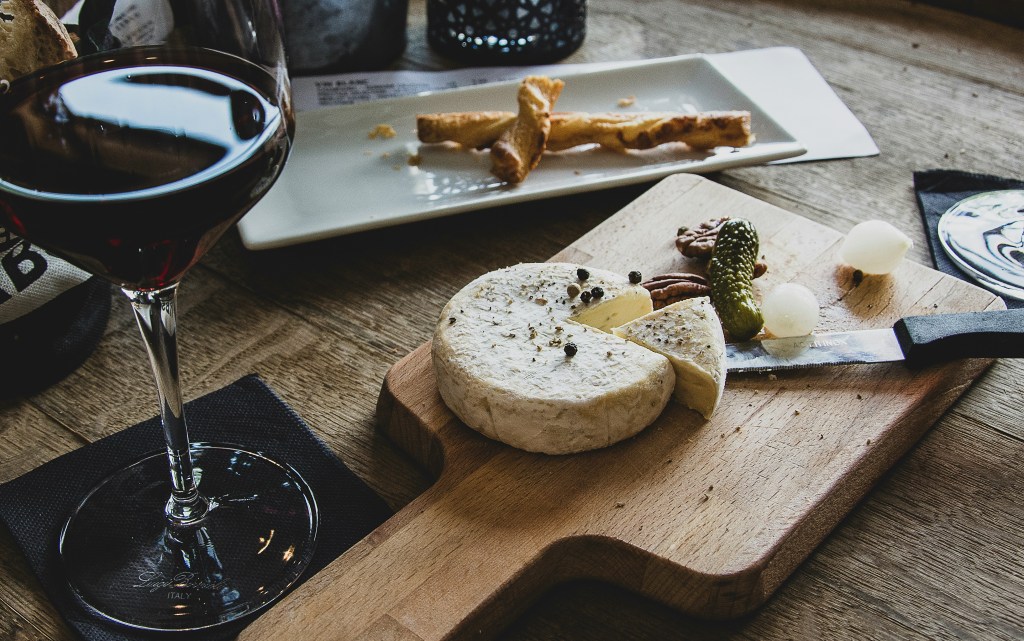
Aperitivo is a cherished Italian tradition that combines socializing with light drinks and snacks in the early evening. This practice is deeply embedded in Italian culture and provides an excellent opportunity to observe and practice Italian gestures in a relaxed setting.
Hosting or joining an online aperitivo during Italian classes can be a fantastic way to immerse yourself in the culture while learning the language. It’s a fun and interactive way to engage with fellow learners, enjoy Italian food and drinks, and practice the gestures you’ve learned.
What are some common Italian gestures, and what do they men?
Some iconic Italian gestures include “Ma che dici?” (What are you saying?), which involves bringing the fingertips together and moving the hand back and forth to express disbelief or confusion; “Basta!” (Enough!), where you hold out your hand with the palm facing forward and move it side to side to indicate you want someone to stop; and “Così così” (So-so), where you rotate your hand palm down, moving it side to side to express a lukewarm opinion. These gestures are essential to understanding and integrating into Italian culture.
How can I learn Italian gestures effectively?
While apps like Duolingo and Drops are great for learning Italian vocabulary and grammar, they can’t fully capture the intricacies of Italian gestures. The most effective way to learn these gestures is through immersive experiences such as private classes, where you can practice with native speakers and get real-time feedback on your gestures.
Can Duolingo help me learn Italian gestures?
Duolingo is excellent for building foundational language skills, but it doesn’t specifically teach Italian gestures. These gestures are best learned through immersive experiences like private classes or cultural activities such as aperitivo.
How important is aperitivo in Italian culture?
Aperitivo is an important social tradition in Italian culture where you can observe some natural gestures, typically taking place in the early evening with light drinks and snacks. It’s a relaxed setting where you can observe and practice Italian gestures while socializing. Hosting or joining an online aperitivo during Italian classes can be a fun way to learn the language and gestures.

Are there any other apps besides Duolingo for learning Italian vocabulary?
Yes, Drops is another great app for learning Italian vocabulary. Drops focuses on visually engaging and interactive language learning, using fast-paced games and beautiful illustrations to help you learn new words and phrases effectively.
Italian gestures are more than just hand movements; they are a vibrant part of the culture and an essential aspect of communication. While Duolingo is great for building language skills, mastering Italian gestures requires a more immersive approach, such as private classes or cultural experiences like aperitivo. Embracing these elements will not only enhance your language skills but also enrich your understanding and appreciation of Italian culture.
Start Your Italian Language Adventure Today!
Book an online free trial session!





































































































 Learn Italian from Home
Leave a comment